Between a striking generation and a deliverable there is an entire phase of finishing. Upscaling, from Topaz and Magnific, pushes resolution and adds plausible detail. Color grading, from Colourlab AI and fylm.ai, brings film-finishing looks. Generative visual effects is where AI quietly entered real Hollywood first: Metaphysic's photoreal face and de-aging work, Autodesk's Flow Studio, and episodic-TV shops like Marz do the invisible work that ships in things you have already watched. AI editing is being rebuilt around the transcript and the prompt, from Runway's Kino to Descript to ByteDance's dominant CapCut, alongside the auto-clip tools like Opus Clip and Submagic that feed the short-form machine.
Then there is the category that exists because all the others do: legal and likeness. When anyone can generate anyone's face and voice, a defensive layer becomes infrastructure. Loti handles likeness protection and takedowns for public figures, Reality Defender does deepfake detection, IMATAG does invisible watermarking, and Fairly Trained certifies models trained on licensed data. This is the box growing fastest for reasons that have nothing to do with creativity and everything to do with law, and after the August 2026 marking deadline covered in the operator's playbook, much of it stops being optional.
Upscaling: adding resolution the camera never captured
Upscaling is the first stop in most finishing pipelines because generated footage rarely arrives at delivery resolution. Video models tend to output at 720p or 1080p, sometimes lower, and a theatrical or broadcast master needs 4K or beyond. An upscaler takes that smaller frame and reconstructs a larger one, inventing plausible texture where the original pixels ran out. The distinction that matters here is between faithful reconstruction, which tries to recover detail that was really there, and creative enhancement, which hallucinates new detail to make an image look sharper than it ever was. Both have a place, and picking the wrong one shows.
Topaz Labs is the incumbent, a long-standing image and video enhancement house whose tools predate the generative wave and are trusted by editors who care about staying faithful to the source. Its video and image upscalers are the default choice when the goal is to enlarge and clean footage without changing what it depicts, which is why they sit in a lot of professional post workflows already.
Magnific took the opposite posture and made a name as the creative upscaler that adds detail rather than merely recovering it, pushing texture and micro-detail into an image until it reads as hyper-real. That aggressiveness is the point for concept and marketing work and a liability for anything that has to match a plate, so it is used deliberately. It is now part of Freepik. Krea Upscale offers a faster creative pass inside the broader Krea suite, useful when the upscale is one step in a larger generation session rather than a separate finishing stage.
Color grading: teaching the look to apply itself
Color grading is where footage gets its final look, the stage where exposure and white balance are corrected and then a deliberate mood is layered on top. Traditionally this is slow, expert work done shot by shot in a suite. The AI tools in this category do not replace the colorist so much as compress the repetitive parts, matching shots to each other automatically, balancing a sequence, or proposing a look that a human then refines. This matters more than it used to because generated and mixed-source footage often arrives inconsistent from shot to shot, and evening that out by hand is tedious.
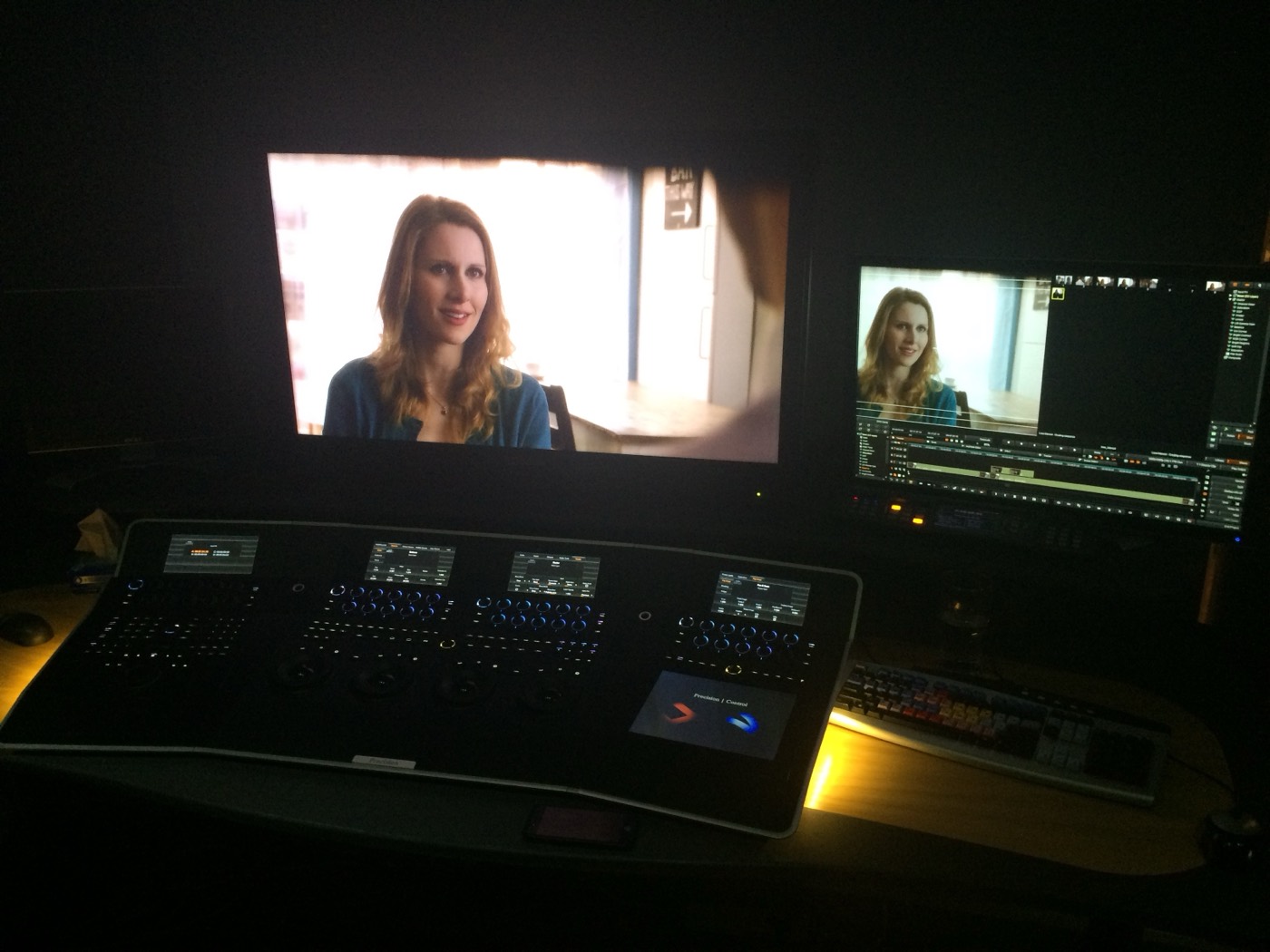
Colourlab AI is the most film-oriented of the group, built around shot matching and grading that fits into a working editorial and finishing pipeline rather than standing apart from it. fylm.ai lives in the browser, offering cloud color grading with AI-generated looks and LUT creation, which suits distributed teams who do not want to sit at a single graded workstation.
The other two solve narrower problems. Palette.fm does automatic colorization, bringing believable color to black and white photos and footage, a specific job that is hard to do convincingly by hand. Imagen serves photographers rather than filmmakers, learning an individual editor's color and correction style and then applying it across large shoots, which is closer to personal-style automation than to cinematic grading but belongs in the same finishing conversation.
Gen VFX: faces, bodies, and plates that have to hold up
Generative VFX is where the finishing pipeline meets the hardest scrutiny, because the work has to survive a large screen and a paying audience. This is the category for face replacement, de-aging, relighting, motion capture, and clean-up, the effects that used to require a full VFX house and now increasingly run through learned models. The bar is different from consumer generation. A face that is ninety percent convincing is fine for a social clip and unusable in a feature, so the companies here are judged on the last few percent and on whether their output can be conformed to match real photographed plates.
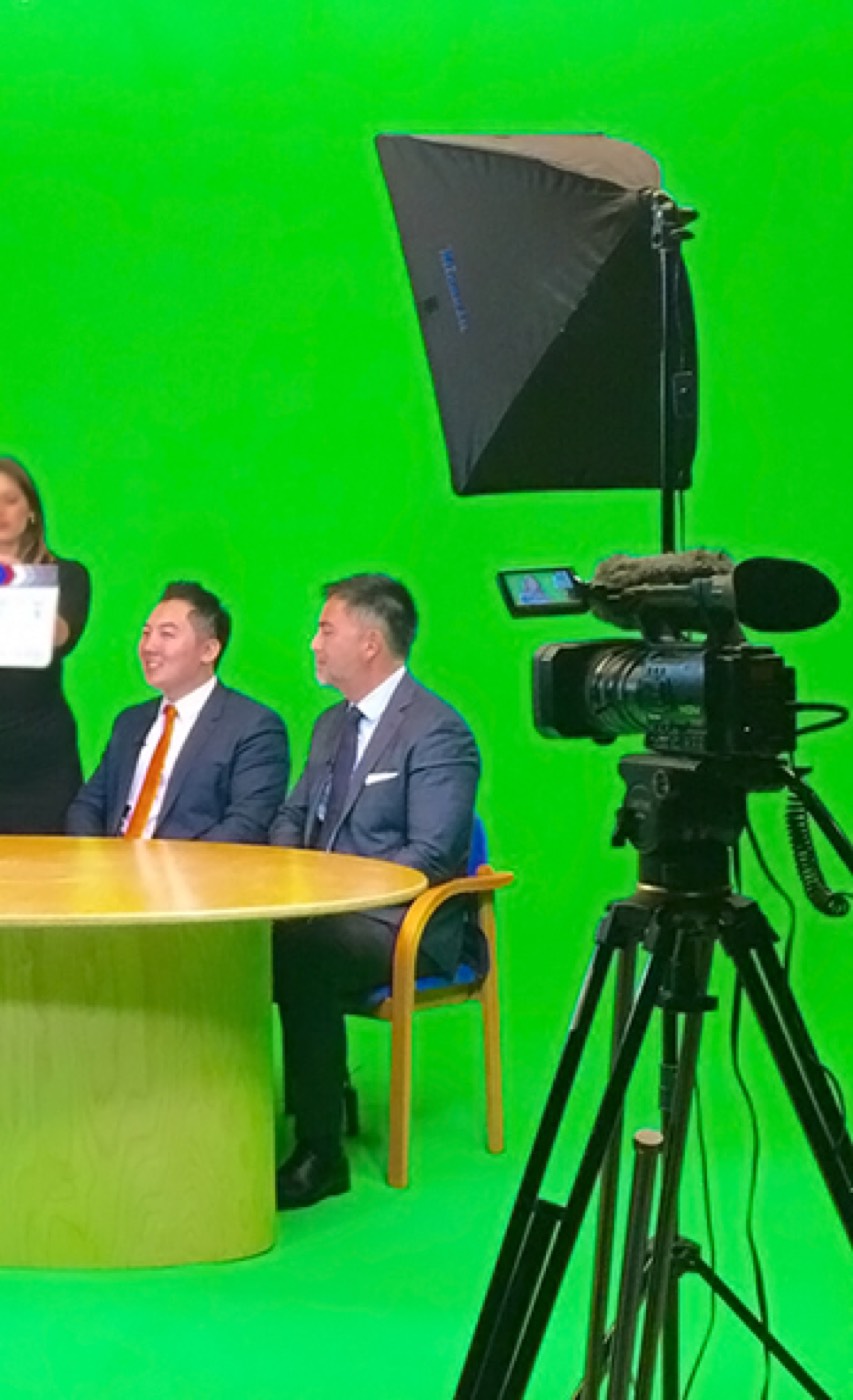
Metaphysic is the reference point for photoreal face work and de-aging, with credits on major films, and it made its name proving that generated faces could hold up in finished cinema rather than only in demos. DEEP VOODOO is a high-end deepfake VFX studio, founded by the South Park creators, that operates as a boutique effects shop rather than a self-serve tool. Marz built a business around episodic television specifically, where its Vanity AI does de-aging and face fixes at the volume and turnaround that TV schedules demand, a different economic problem from a single hero shot in a film.
The rest of the category attacks individual pieces of the pipeline. Autodesk Flow Studio, the former Wonder Dynamics, brings generative VFX into Autodesk's Flow platform, automating the work of dropping CG characters into live footage. beeble focuses on AI relighting and compositing through its SwitchLight tool, letting an artist change the light on a subject after the fact, which is one of the genuinely hard problems in compositing. Move does markerless motion capture straight from ordinary video, removing the suit and stage from performance capture. Runway rounds out the group with generative editing tools such as inpainting and motion brush, aimed at creators who want VFX-style control without a full effects pipeline behind them.
AI editing: cutting by transcript, prompt, and auto-clip
AI editing is the broadest and busiest box in post, because editing is where most of the actual labor of finishing a video lives. The tools here split along a few clear lines. Some rethink the editing surface itself, some automate the grind of turning long footage into short clips, and some target a specific fix such as dialogue or captions. What unites them is that they change the primitive you manipulate. Instead of dragging clips on a timeline, you edit a transcript, type a prompt, or let the tool propose a cut that you then adjust.
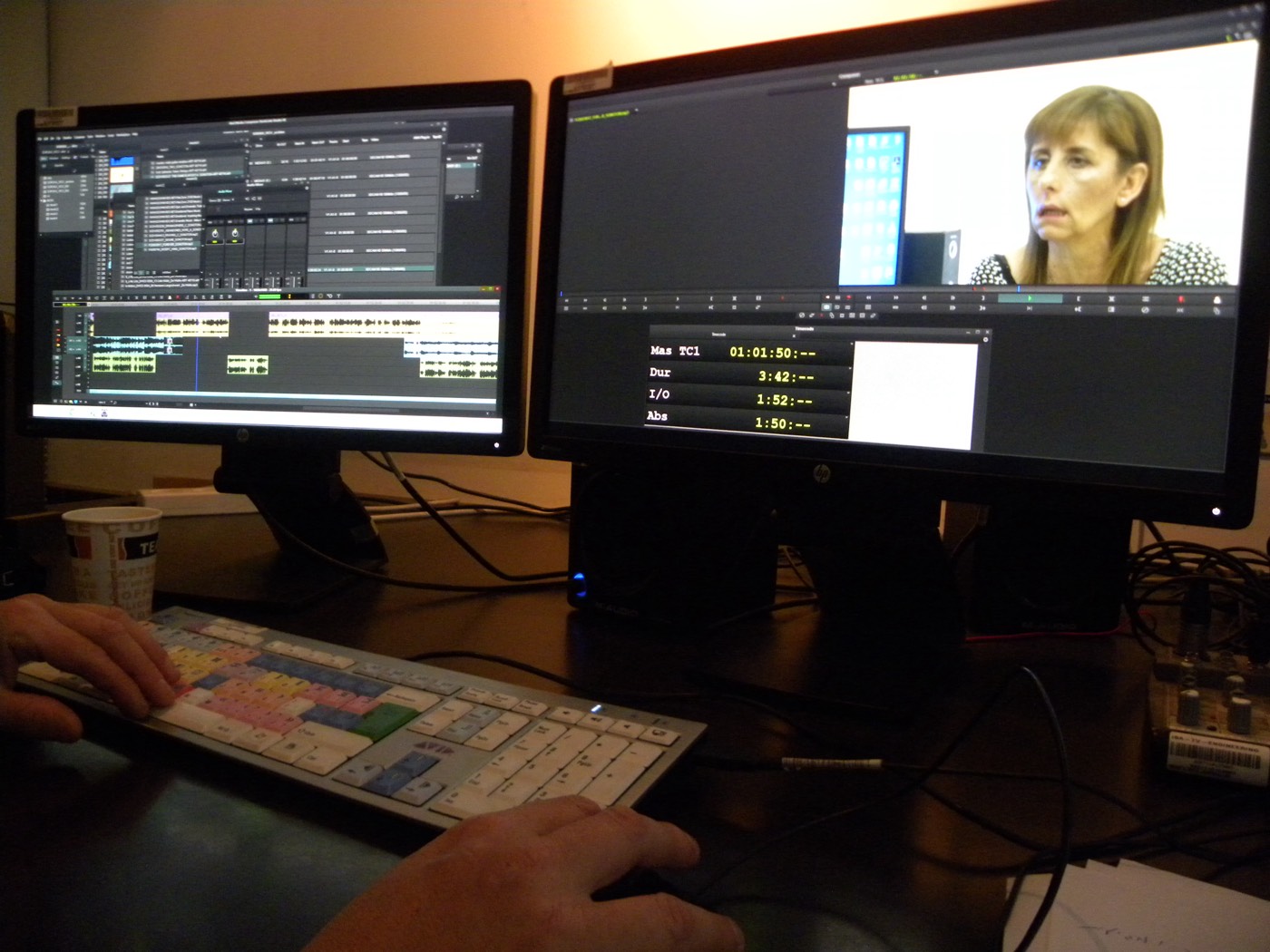
The transcript-driven approach is Descript's, where you edit video and audio by editing the words, deleting a sentence to delete the footage. It reframed editing for interview and podcast-style content and made the workflow legible to people who are not editors. Kino, from Runway, is a newer AI-native editing surface built around generative tools rather than a traditional NLE. At the mass-market end, Capcut is ByteDance's dominant consumer editor with deep AI features baked in, and Canva brings generative video and editing to a design audience that was never going to open a professional timeline.
A large sub-cluster exists just to feed short-form feeds. Opus Clip and Vizard take a long video and automatically cut it into shorts, finding the moments likely to perform, while Submagic focuses on auto-captions and the fast-turnaround polish that vertical clips need. These tools are less about craft and more about volume, and they are how a single long recording becomes a week of posts.
The most technically ambitious work in the category is narrower. Flawless does AI visual dubbing through its TrueSync tool, altering an actor's mouth movements so a performance matches a new language rather than only swapping the audio. Eddie AI acts as an assistant editor that assembles rough cuts, Capsule targets brand video teams, and Wondershare Filmora carries a full set of AI features into a familiar consumer editor. The spread from Flawless to Filmora shows how wide this category really is.
Legal and likeness: the box growing fastest for a reason
Legal and likeness is the newest category in the finishing pipeline and the fastest growing, and the reasons are structural rather than hype. The same models that make generation cheap make misuse cheap. A convincing deepfake of a real person now takes minutes, consent for using someone's face or voice has become a live legal question rather than a formality, and a wave of marking and disclosure rules is arriving that will require generated content to be labeled and traceable. Provenance standards such as content credentials, transparency requirements in the EU's AI rules, and proposed likeness-protection laws in the United States all point the same direction, toward a world where knowing what is real and who consented is a compliance requirement, not a nicety. That is why this box is filling up.
The work divides into three jobs: protecting a person's likeness, detecting synthetic media, and proving provenance. On protection, Loti offers likeness monitoring and takedowns for public figures, scanning for unauthorized use of a face or voice and getting it removed, while Vermillio does likeness and IP protection at larger scale, the kind of coverage studios and talent representatives need across a whole catalog of people and characters. These are the tools that turn the abstract right to your own face into something enforceable.
On detection and provenance, Reality Defender builds deepfake detection aimed at enterprises, the banks and platforms that need to flag synthetic media before it does damage. IMATAG works the other side of the same problem with invisible watermarking and provenance, marking content at creation so it can be traced later, which is exactly the capability the coming disclosure rules will lean on. Rounding out the group, Fairly Trained is a certification body that verifies models were trained on licensed data, and Copysight offers rights and content-provenance tooling. Together they form the layer that the rest of the pipeline will increasingly be required to pass through.